Frequently asked questions
Straight answers to the questions homeowners ask most, plus a few things you should never do. Have a question that isn’t here? Ask Wayne.
Safety: what not to do
Is it OK to plug power strips into each other?
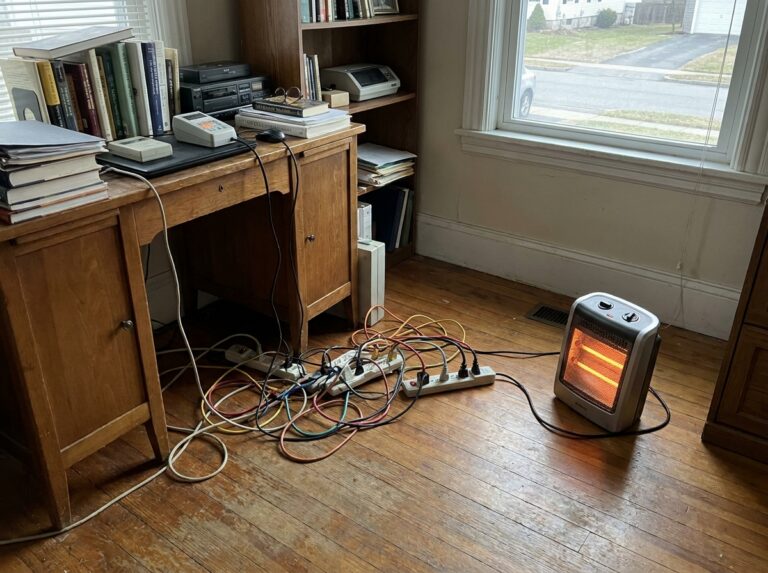
No. Chaining power strips (“daisy-chaining”) can overload the first strip and the outlet behind it. Heaters, air conditioners and other high-power appliances should plug straight into a wall outlet. If you need more outlets, have more installed.
Can I run an extension cord under a rug?
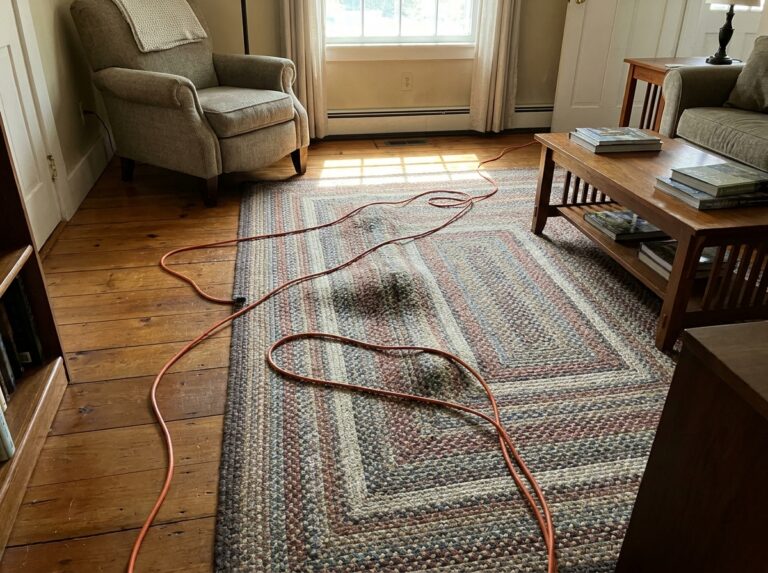
No. A cord under a rug gets walked on and can’t release heat, and you can’t see when it is damaged. That is a fire risk. Extension cords are for temporary use; if you rely on one every day, you need an outlet where you use it.
My outlet has brown or black marks on it. What should I do?
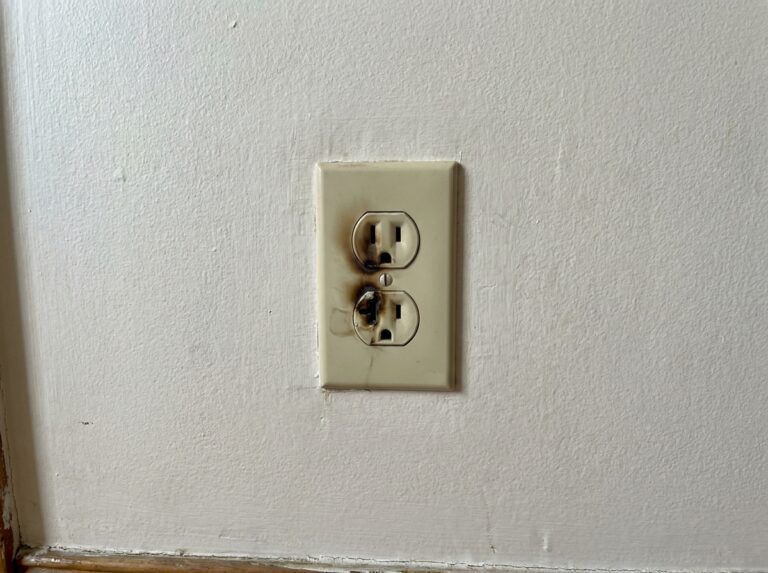
Stop using it, unplug anything in it, and turn off that circuit at the panel if you can do so safely. Scorch marks usually mean a loose or failing connection that is overheating. Call an electrician.
Should I keep resetting a breaker that trips?
No. A breaker trips to protect the wiring. If it trips again right away, unplug things on that circuit and call an electrician instead of forcing it back on.
Can I hook my generator up through a dryer outlet?
No. That is called backfeeding. It can send power out to the utility lines and seriously injure line workers, and it can damage your home’s wiring. Generators need a proper connection that keeps your home separated from the grid.
Permits, licenses and the law
Do I need a permit for electrical work?
In Massachusetts, anyone doing electrical work for hire has to file a permit with the town’s inspector of wires before starting the work or within five days of starting (M.G.L. c.143, §3L). The Commonwealth tells consumers to ask to see the permit.
Can I do my own electrical work?
The rules depend on your town and the kind of work. Call your town’s inspector of wires before you start.
How do I check an electrician’s license?
Massachusetts requires electricians to show their license type and number on their advertising. Look up any license on the state’s license lookup, or call the Board of State Examiners of Electricians at (617) 701-8786. Wayne’s is MA Journeyman Electrician License #10080B.
I’m selling my house. What do I need for smoke alarms?
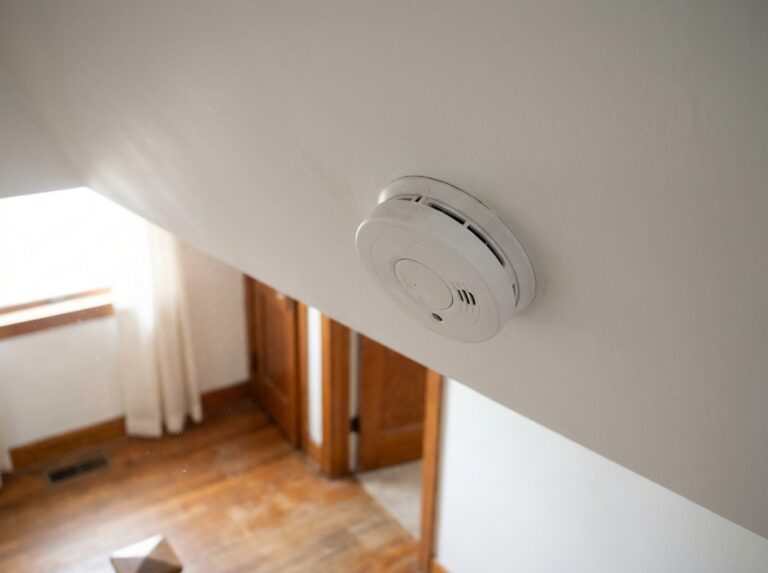
Massachusetts requires a certificate of compliance for smoke and carbon monoxide alarms from the local fire department when a home is sold or transferred (M.G.L. c.148, §26F). Call your fire department early to learn what they check.
Older homes and wiring
Where should I have GFCI outlets?
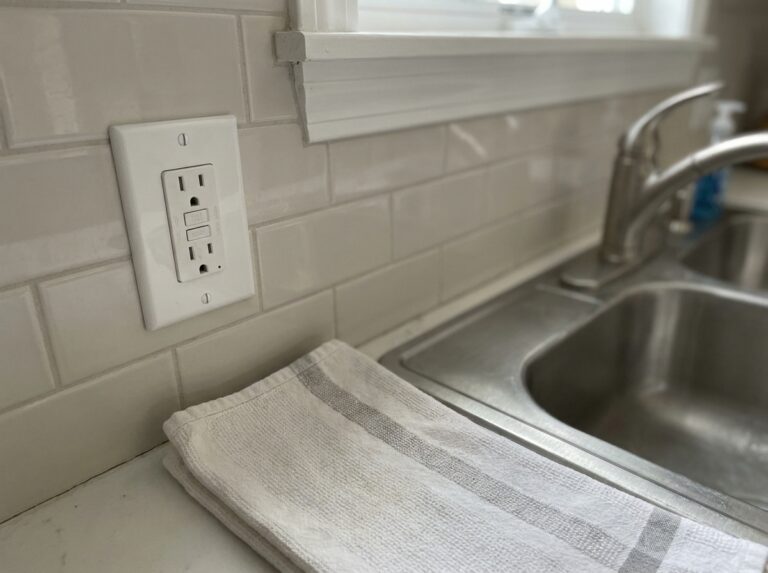
Massachusetts consumer guidance recommends GFCI protection outdoors, in bathrooms and kitchens, and anywhere near water. Press TEST and then RESET once a month to make sure it still trips.
My house has old knob-and-tube wiring. Is that a problem?
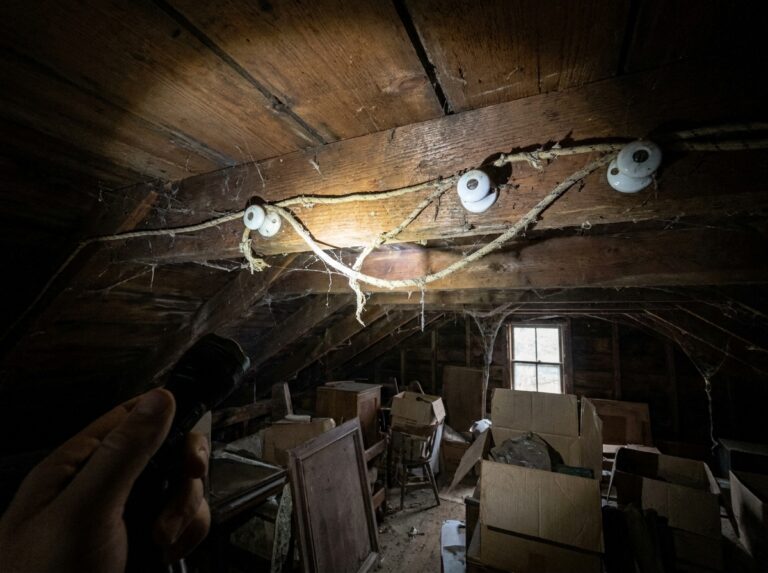
Knob-and-tube wiring is common in older Worcester-area homes. It was not designed for today’s electrical loads, it has no ground wire, and insulation is often added around it later. Some insurers may refuse or surcharge coverage. Have it looked at, especially before a renovation.
What about aluminum wiring?
Some homes built in the 1960s and 1970s have aluminum branch wiring, which can overheat at connections. The U.S. Consumer Product Safety Commission lists replacing it with copper, or specific approved connector repairs, as permanent fixes. Twist-on connectors are not a permanent fix.
Working with Wayne
What area do you cover?
Wayne is based in Worcester and works across Worcester County. See the service area page.
How do I get in touch?
Call 774-239-1090 or use the contact form. Messages go straight to Wayne.